Spinal Symmetry
Osteopaths in Sydney
- Qualified & Experienced Practitioners
- Locations in Sydney & the Hunter Region
- Personalised Musculoskeletal Treatment Plans
Soft Tissue Care Completes the Picture
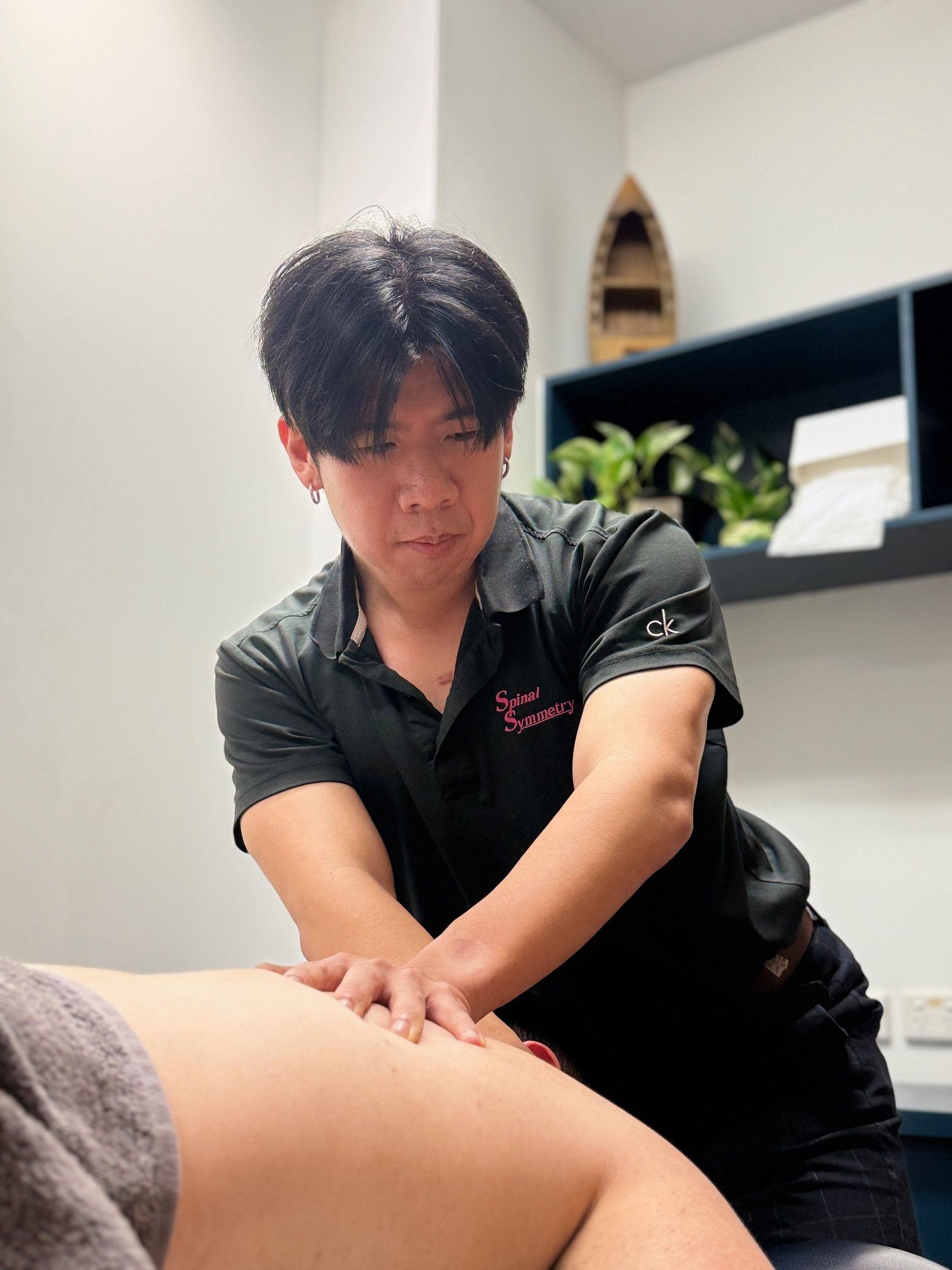
At Spinal Symmetry, our osteopaths in Sydney and surrounds play a vital role in delivering whole-body musculoskeletal care. As part of the broader Spinal Symmetry method, osteopathic treatment focuses on the body’s soft tissues — muscles, ligaments and fascia — and how they interact with skeletal structure. Our approach combines these techniques with chiropractic principles to treat pain at its source, not just the surface symptoms.
Using manual therapy like massage, stretching and joint mobilisation, we aim to release tension, restore movement and support the body’s natural ability to heal. Whether you’re dealing with postural strain, chronic muscle tightness or joint restriction, our soft tissue care works in tandem with spinal alignment to bring the body back into balance. It’s not just effective — it’s integrated care that treats the whole person.
Let us help you move more freely, breathe more deeply and feel more comfortable in your body. Our qualified practitioners are available across Sydney and Newcastle. They have flexible hours and focus on personalised, accessible and results-driven care.
Registered Practitioners
Whole-Body Focus
Qualified Practitioners
Targeted Manual Therapy with Purpose
Osteopathy works from the outside in — addressing the muscle and connective tissue patterns that often underpin skeletal misalignment. When joints aren’t moving well, surrounding muscles will compensate, becoming tight, weak or overactive. Left untreated, these imbalances can pull the spine and limbs out of alignment again, undoing even the best structural work.
That’s where the Spinal Symmetry method sets itself apart. By blending osteopathic soft tissue techniques with targeted chiropractic adjustments, we treat both the cause and the consequence of pain. Releasing muscular tension first allows the body to better accept spinal corrections. When muscles are functioning as they should, posture improves, movement becomes more fluid, and healing happens faster.
This dual approach gives your body the best chance of recovering well — and staying well. Explore our method today and feel the difference.
Frequently Asked Questions
What happens during an osteopathy appointment?
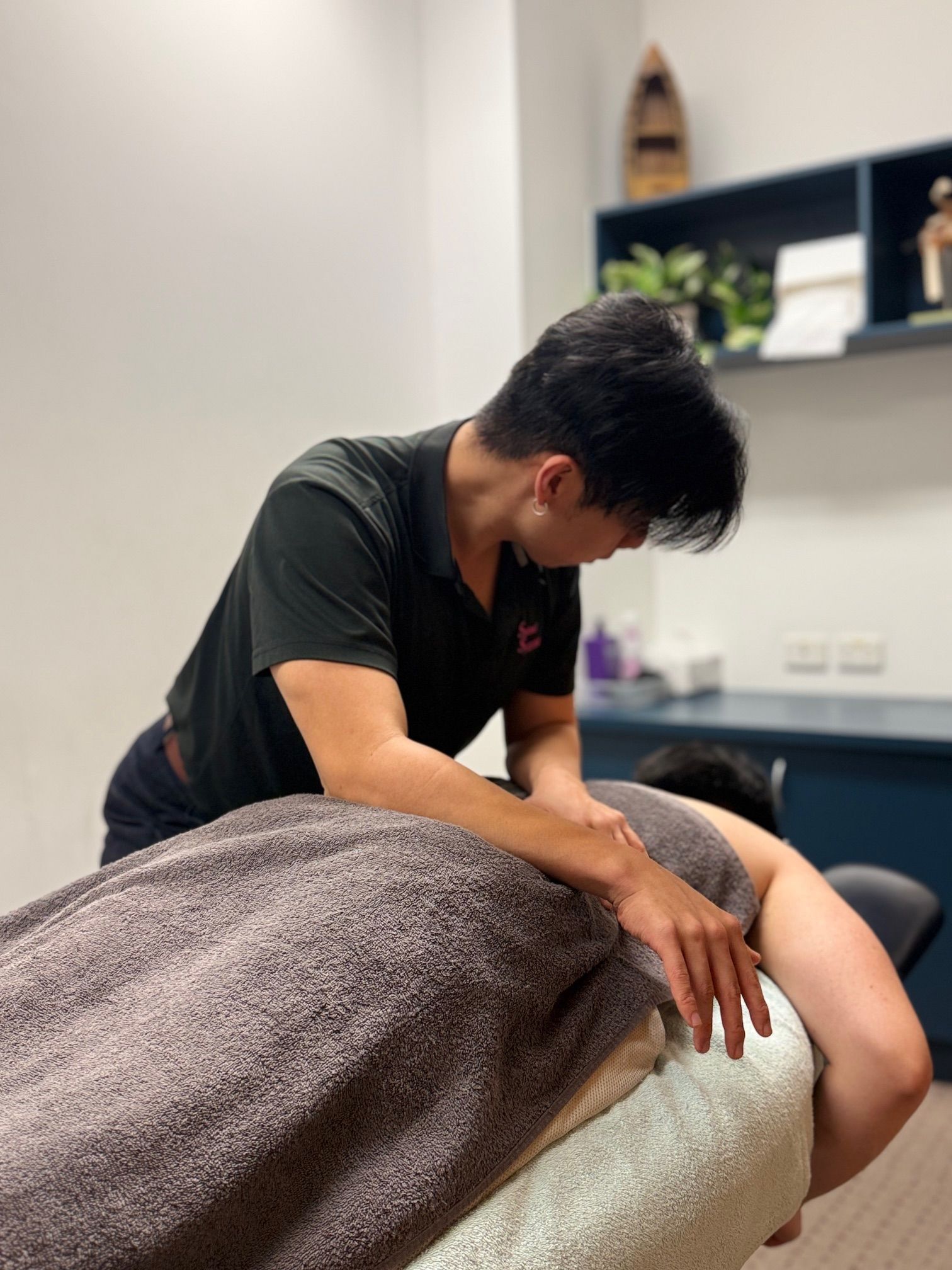
During your appointment, the osteopath will take a detailed medical history and perform a physical examination. Treatment may involve hands-on techniques like mobilisation, massage and stretching. The osteopath may also offer advice on exercises and lifestyle changes to support your recovery.
How many osteopathy sessions will I need?
The number of sessions varies depending on your condition, its severity and how your body responds to treatment. Some people notice improvement after just one visit, while others may require ongoing treatment. Your osteopath will create a personalised plan suited to your needs.
Can osteopathy help with sports injuries?
Yes, osteopathy is widely used to treat sports-related injuries by reducing pain, improving joint mobility and enhancing muscle function. It can also help with injury prevention by addressing biomechanical imbalances and supporting your body’s natural healing after physical strain.
What is osteopathy?
Osteopathy is a holistic, hands-on therapy that focuses on diagnosing, treating and preventing musculoskeletal problems. It uses manual techniques such as joint mobilisation, soft tissue manipulation and stretching to improve movement, reduce pain and support the body's natural healing processes.
How does osteopathy work?
Osteopathy works by assessing the whole body to identify areas of restricted movement or tension. Using gentle manipulation, mobilisation and massage techniques, osteopaths aim to restore balance in muscles, joints and connective tissues, which can help reduce pain and improve overall function.
What conditions can osteopathy treat?
Osteopathy can be used to treat a wide range of conditions including back and neck pain, joint stiffness, headaches, sports injuries, repetitive strain injuries and postural problems. It can also support recovery from injury and help manage chronic musculoskeletal issues like arthritis.